
The imaginary museum of musical works
"What is the difference between a performance of Beethoven's Fifth Symphony and the symphony itself? What does it mean for musicians to be faithful to the works they perform? To answer such questions, Lydia Goehr combines philosophical and historical methods of enquiry. Finding Anglo-American philosophy inadequate for the task, she shows that a historical perspective is indispensable to a full understanding of musical ontology. Goehr examines the concepts and assumptions behind the practice of classical music in the nineteenth century and demonstrates how different they were from those of previous centuries. She rejects the finding that the concept of a musical work emerged in the sixteenth century, placing its emergence instead around 1800. She describes how the concept of a work then came to define the norms, expectations, and behaviour that we now associate with classical music. Out of the historical thesis Goehr draws philosophical conclusions about the normative functions of concepts and ideals. She also addresses current debates amongst conductors, early-music performers, and avant-gardists."--Jacket.
Livres similaires
 FRFrançais
The Man Who Mistook His Wife for a Hat
 FRFrançais
Igor et les trois petits cochons
 ENEnglish
Tracking Color in Cinema and Art
Philosophy and Aesthetics
 ENEnglish
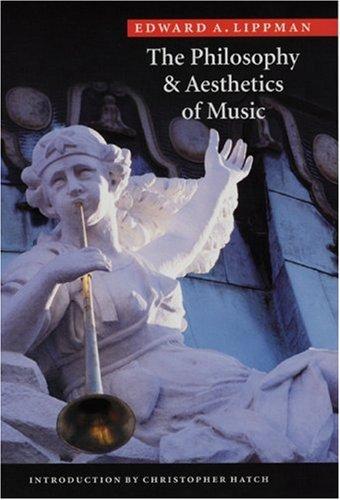
The philosophy & aesthetics of music
 ENEnglish